


“Hope is simply disappointment delayed. My task is to make delay more meaningful.”
_ Dr. Jochen Wade
Our societies treat disappointment as a private emotion, when in reality it is a structural indicator—revealing where our promises, policies, and narratives no longer align with lived experience.
Our work begins precisely where conventional optimism ends.
We recognise disappointment as a form of knowledge: a signal that something essential is missing, misaligned, or overdue for reconsideration. Rather than soothing or dismissing it, we analyse it. We trace its origins, map its patterns, and use it as a lens to re-examine institutions, public space, mobility, technology, and collective meaning-making.
Our methods draw on philosophy, critical theory, and transition studies, combined with fieldwork and experimentation. The aim is not to eliminate disappointment—an impossible and undesirable task—but to make it visible, speakable, and operational. When disappointment is taken seriously, it becomes a powerful diagnostic tool for societal transition.
The Disappointment Institute exists for a simple reason:
to turn one of humanity’s most underappreciated experiences into a source of clarity, direction, and intellectual courage. Here, disappointment is not the end of the story, but the beginning of understanding.
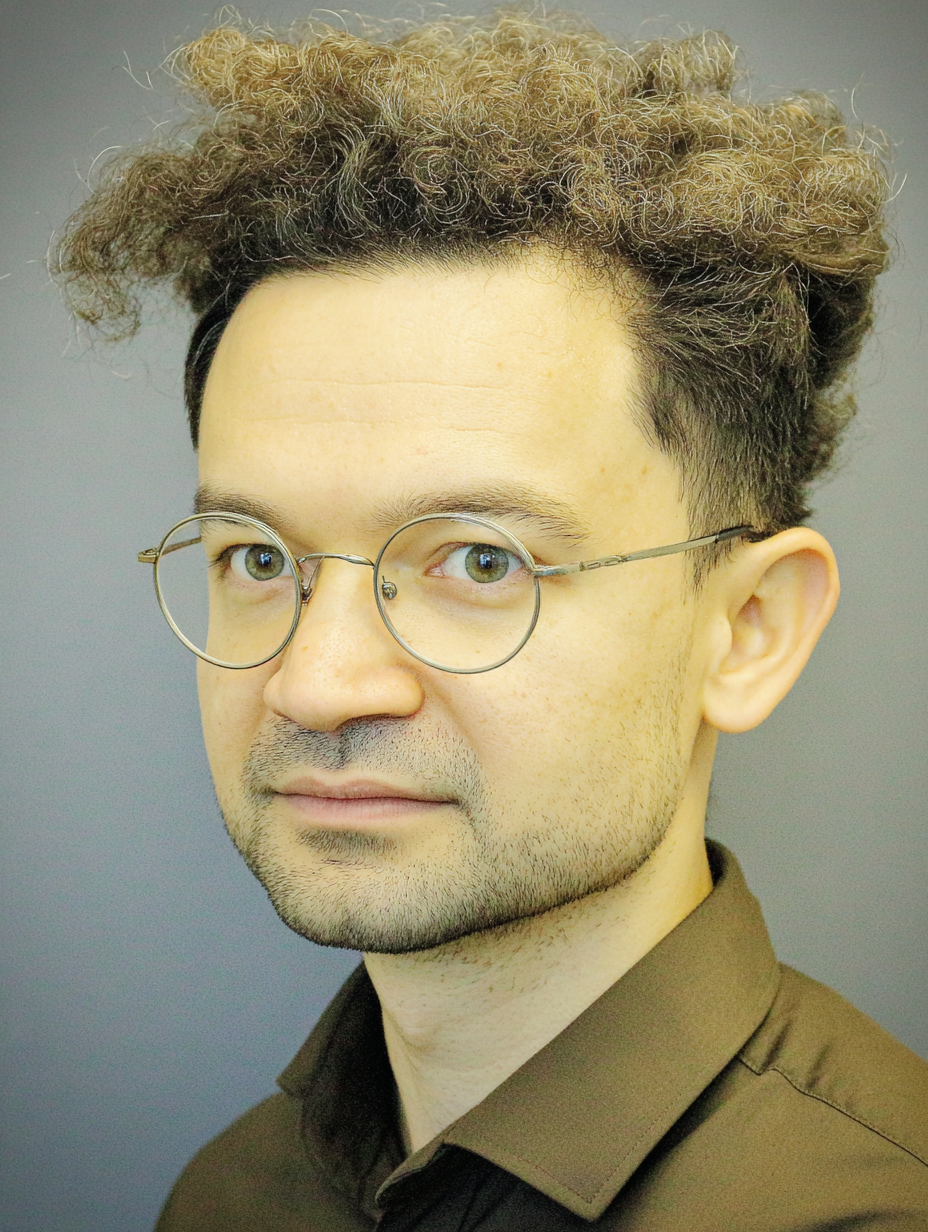
Founder Dr. Jochen Wade
Academic Director & Chair of Applied Disillusionment
Meet the research Team

Dr. Salma Qureshi
Director of Strategic Futility & Institutional Burnout
Dr. Qureshi oversees research into the organizational life cycle of decline, focusing on how institutions maintain optimism long after functionality has ceased.
Her fieldwork includes shadowing innovation departments during their final months and designing debriefing rituals for post-merger grief.
“Most strategies fail not because they’re bad, but because reality doesn’t cooperate.”

Dr. Finn Ruyters
Senior Fellow in Relational Disappointment & Affective Entropy
Dr. Ruyters explores interpersonal collapse within high-trust societies. His ongoing project, Love in the Age of Feedback Loops, investigates the emotional fatigue of digital intimacy.
He teaches the popular elective “Partners, Promises & Other Fragile Systems.”
“If connection is easy, it probably isn’t real.”

Dr. Beatrice Lau
Head of Cognitive Recalibration & Energy Transition Anxiety
Dr. Lau’s background in environmental psychology and behavioral economics informs her work on the emotional costs of decarbonization. She runs the Institute’s “Low-Energy Living Lab,” where participants practice downsizing expectations under simulated scarcity.
“Adaptation begins when ambition gives up.”
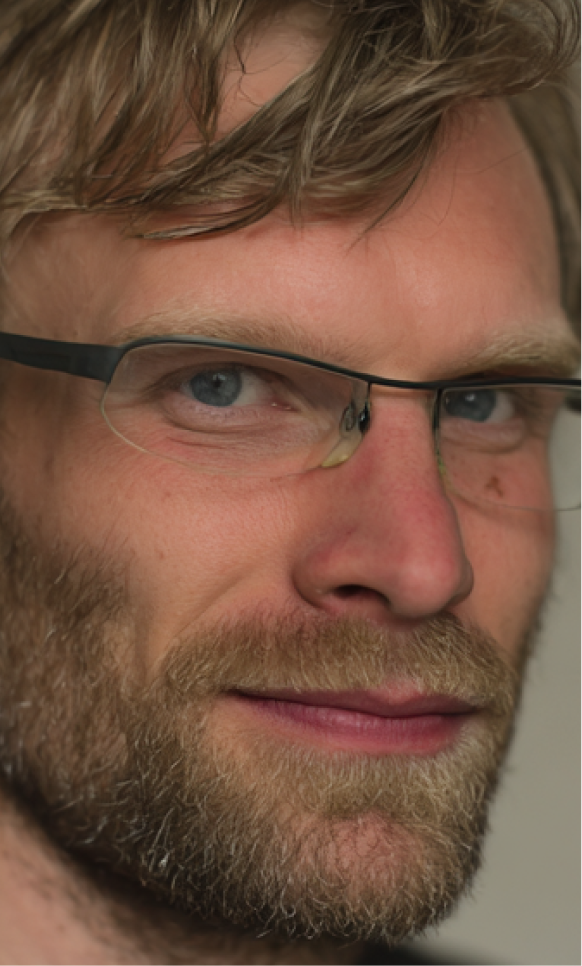
Dr. Otto Klein
Research Fellow in Applied Nihilism & Existential Data Ethics
Klein coordinates the “Meaning Audit” project, a longitudinal study of purpose depletion across Western democracies. He also lectures on ethical surrender and the epistemology of not knowing.
“The absence of meaning is no excuse for bad methodology.”

Dr. Yara Delgado
Director of Compost Studies & Material Renewal
Delgado integrates ecological theory with post-human psychology, examining decomposition as a form of narrative closure. Her research garden serves as both a field site and memorial.
“In the end, everything contributes — eventually.”

Dr. Milo Hartmann
Head of Emotional Forensics & Everyday Grief Metrics
Dr. Hartmann leads the Institute’s Quantitative Despair Unit, where he develops metrics for measuring emotional collapse in professional settings. His most cited paper, From KPI to WTF: Measuring Moral Exhaustion in the Workplace, remains a cornerstone of managerial psychology.
A former data scientist, Hartmann specializes in translating feelings of futility into actionable dashboards.
“You can’t manage what you can’t mourn.”
Ready for your reality adjustment?
If you’re interestes to learn more about yourself, your relatives, colleagues or your organisation can prepare and adjust to the upcoming disillusionment, feel free to request any information on training, education programs, or access to anyone from our network of expertise.